
What is Part L?
Part L of the UK Building Regulations sets the minimum standards for energy efficiency in buildings across England and Wales. It ensures that both new constructions and certain refurbishments are designed to reduce energy use and carbon emissions, aligning with the UK’s wider Net Zero goals.
This regulation applies to various building types and is structured into four Approved Documents: Part L Volume 1 covers new and existing dwellings, including extensions and renovations; Part L Volume 2 addresses new and existing non-residential buildings.
How is Compliance Demonstrated?
The UK government requires energy performance assessments as part of the design process. The methodology depends on the type and complexity of the building.
For residential properties, compliance is measured using the Standard Assessment Procedure (SAP), while most non-residential buildings use the Simplified Building Energy Model (SBEM). More complex developments – such as those with large glazing areas or intricate layouts – require Dynamic Simulation Modelling (DSM). DSM allows for a more detailed, time-based analysis of energy performance, accounting for factors like occupant behaviour and environmental conditions.
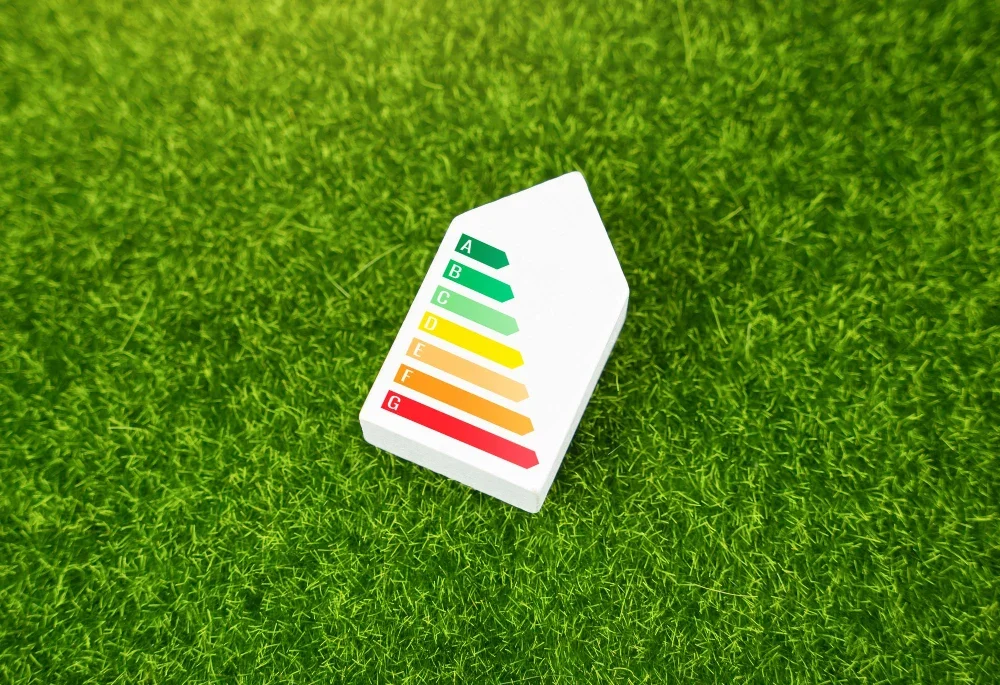
Each of these assessments generates essential documentation, including the BRUKL report and the Energy Performance Certificate (EPC), both of which are mandatory for regulatory approval.
Why Does Part L Compliance Matter?
It’s a Legal Requirement
Compliance with Part L is not optional. Without an approved energy strategy and the required documentation, a project cannot legally proceed to construction or occupation. Building Control will request evidence of compliance before sign-off.
It Improves Building Performance
Buildings designed to meet or exceed Part L standards are generally more energy-efficient, resulting in lower operational costs and reduced carbon footprints. They also tend to offer improved indoor comfort, particularly in terms of temperature regulation and air quality. This contributes to better occupant well-being and can increase a building’s market value or rental appeal.
It Future-Proofs Your Project
Energy efficiency regulations are becoming more stringent. With upcoming policies such as the Future Homes Standard and the Future Buildings Standard, carbon reduction expectations will only increase. Designing to meet future standards now can help avoid expensive upgrades or retrofits later.
It Reduces Risk
Failure to comply with Part L can lead to planning delays, rejected Building Control applications, and potentially higher construction costs due to last-minute design revisions. There’s also the reputational risk for developers and contractors who fail to meet their regulatory obligations.
In Summary
Part L compliance is about more than meeting regulations – it’s about building smarter, more sustainable environments. Whether you’re working on a residential extension or a large commercial development, energy efficiency should be embedded early in the design process to ensure legal, environmental, and financial success.
Need help with SAP, SBEM, or DSM assessments?
Our specialists provide tailored support to ensure your project meets all Part L requirements (including Section 6 – Scotland) from design through to completion. Contact us to learn more.