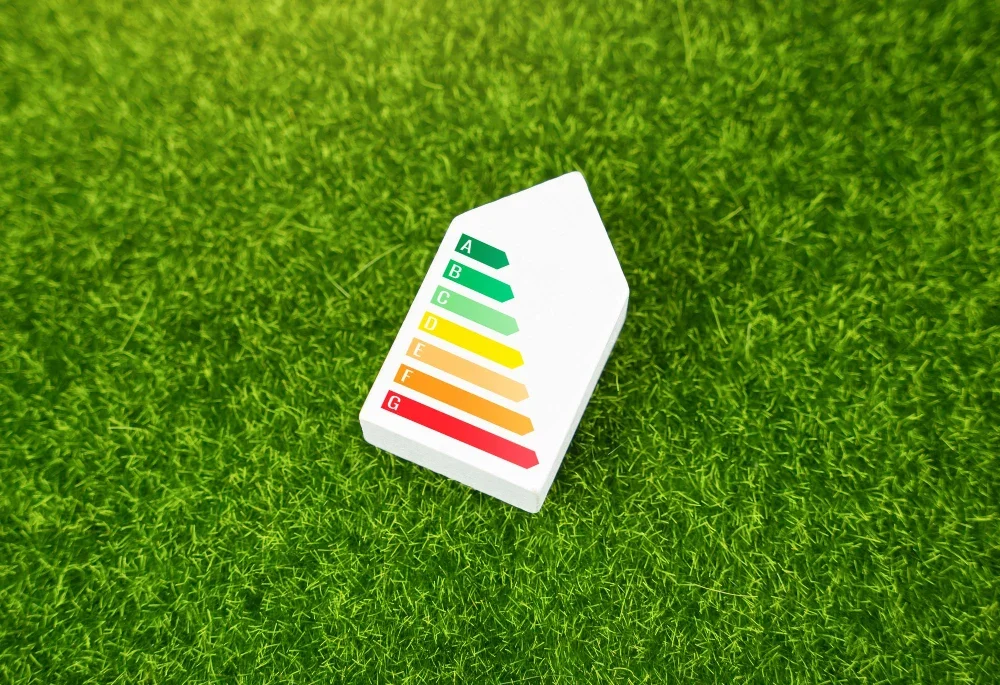

Embedding environmental performance from the outset of design
What is It?
Energy and Sustainability Statements are formal documents submitted as part of a planning application to demonstrate how a proposed development aligns with relevant environmental and energy policies. They form a key part of the approval process for many UK local planning authorities, particularly for major developments or those in areas with ambitious Net Zero targets.
These statements typically outline how the proposed scheme will address a range of sustainability priorities, including energy efficiency, carbon reduction, renewable energy integration, water conservation, responsible materials use, and climate resilience. They also show how the design complies with broader frameworks such as the National Planning Policy Framework (NPPF), the London Plan, and Building Regulations Part L.
The scope and depth of each statement will depend on local policy requirements and the scale of the development. However, their purpose is always the same: to ensure that sustainability is integrated into the project from the earliest stage – when design decisions are most cost-effective and influential.
Why Is It Important?
Securing Planning Permission
Most UK planning authorities now require some form of Energy or Sustainability Statement as part of a valid planning submission. For developments in London, a detailed GLA-compliant Energy Assessment is typically needed. In other regions, local policy may dictate specific standards or formats.
Failure to submit a complete or policy-aligned statement can lead to planning delays, requests for further information, or even refusal. A well-prepared statement, on the other hand, supports a smoother path through the planning process and demonstrates proactive environmental responsibility.
Embedding Environmental Accountability
These statements are more than a tick-box exercise. They help ensure that sustainable thinking is embedded into the design from the outset, rather than retrofitted later. By aligning with frameworks like Part L of the Building Regulations, local Net Zero strategies, and energy hierarchies, the statement becomes a strategic tool for long-term environmental performance.
In regions like London, where developments must follow the be lean, be clean, be green, be seen energy hierarchy, the statement also plays a key role in justifying energy and carbon strategies through detailed modelling and carbon offset calculations.
Enabling Coordinated Design
A strong sustainability statement helps unite the wider design team around shared performance goals. It encourages early integration of decisions around building orientation, façade design, passive measures, and MEP strategies – reducing the risk of later-stage redesigns or non-compliance with BREEAM, TM54, or Part L.
When properly coordinated, the energy strategy laid out at planning can seamlessly transition into technical design, procurement, and post-occupancy stages, improving delivery and performance outcomes.
In Summary
Planning Stage Energy and Sustainability Statements are a critical tool for securing planning consent and embedding low-carbon, resilient design from the outset. They not only demonstrate compliance but help guide design teams toward smarter, more integrated solutions that deliver environmental value across the building lifecycle.
Need support preparing energy or sustainability statements for planning?
We provide policy-compliant, technically robust submissions that strengthen your planning case and set the foundation for long-term building performance. Contact us to get started.