
Pharmaceutical Research Centre, Oxfordshire
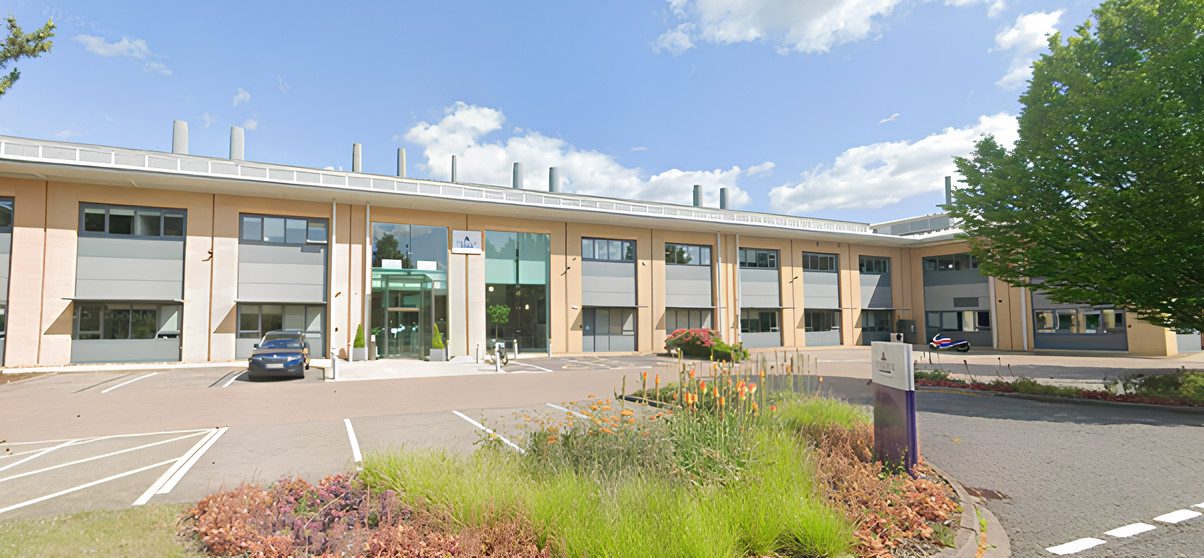
Fatade was commissioned to deliver an Energy and Decarbonisation Feasibility Study for a leading global biotechnology company’s research facility in Abingdon, Oxfordshire. The centre is a critical hub in the development of transformative therapies for complex genetic disorders, including cystic fibrosis.
Adopting a fabric-first approach, Fatade conducted a comprehensive Carbon Reduction Study to identify cost-effective energy efficiency measures. Our focus was on optimising the building envelope to reduce energy consumption, carbon emissions, and operational costs, prior to recommending mechanical or electrical system upgrades.
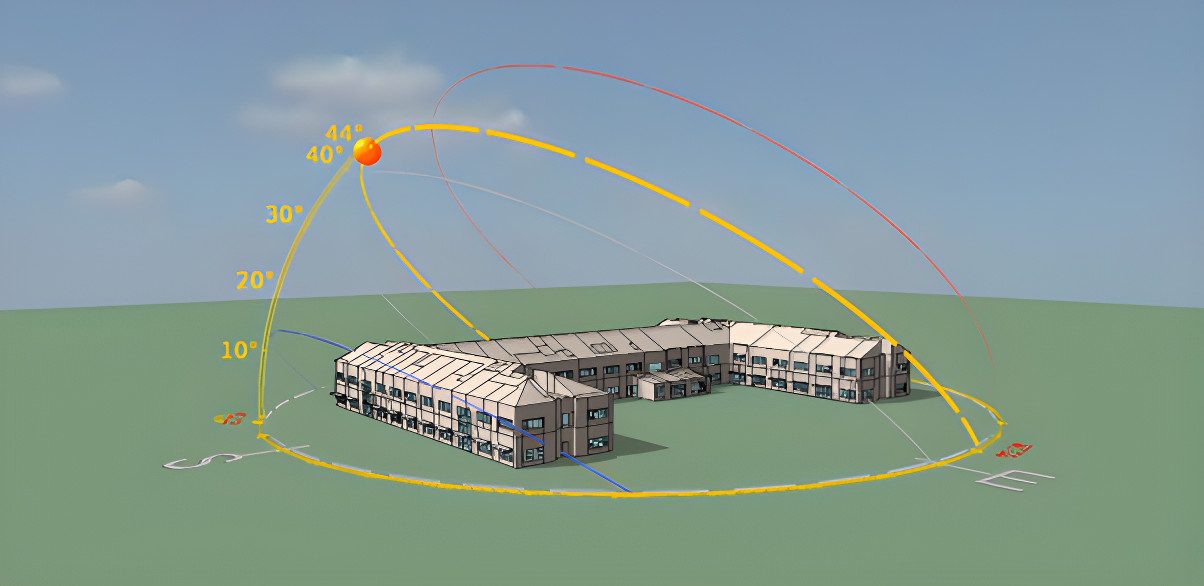
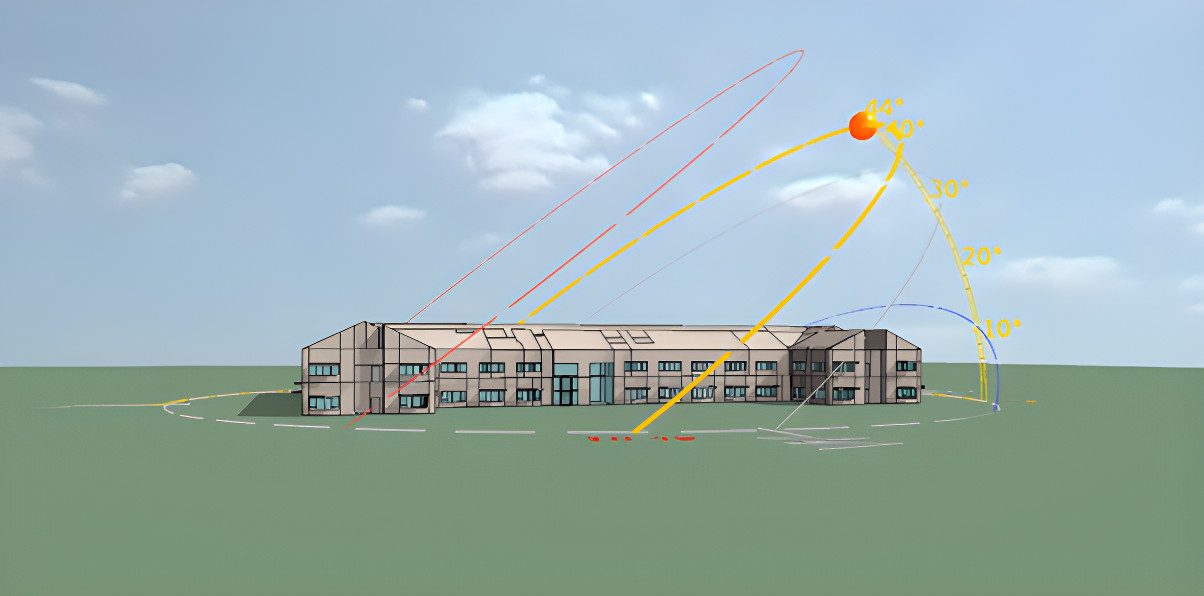
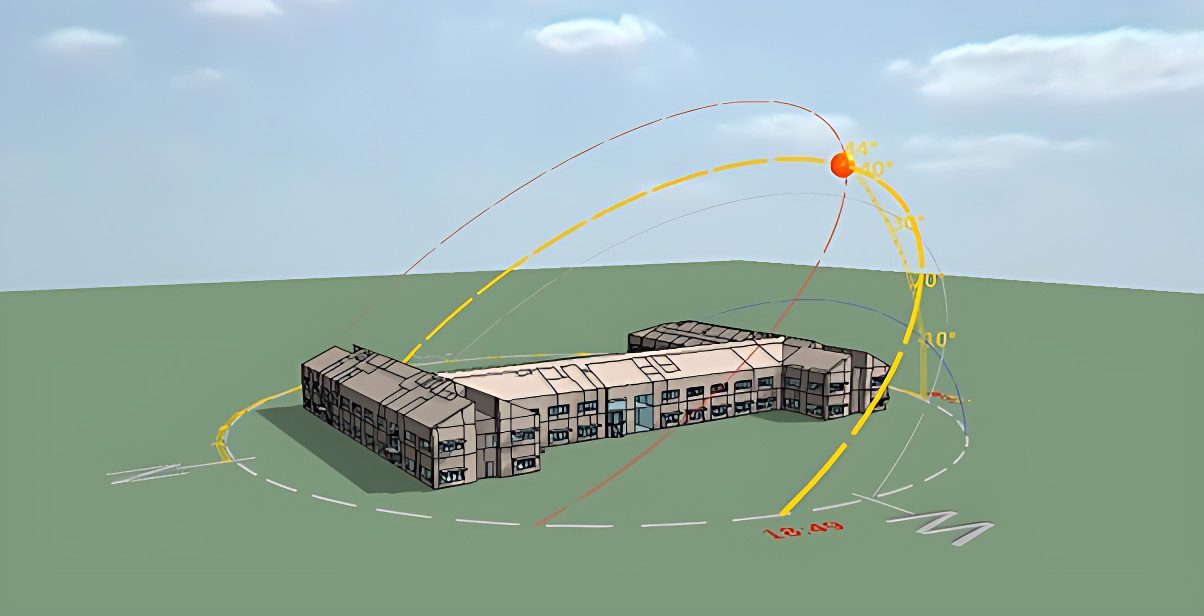
Utilising ApacheSim Dynamic Simulation Modelling (DSM), we assessed the building’s current energy performance and carbon footprint. Five improvement scenarios were modelled, ranging from targeted fabric enhancements to full-scale upgrades across external walls, glazing, roof, and ground floor insulation.
Scenario 5, which aligned all building elements with Part L limiting U-values, yielded the most significant impact, cutting heat loss by 238.06 kW (36%) and projecting annual energy cost savings of approximately £13,000.
The process involved in-depth analysis of the existing building fabric and systems, with careful consideration given to varying construction conditions and gaps in historical documentation. Despite these challenges, our methodical approach enabled the development of a reliable baseline from which meaningful interventions were proposed. By modelling multiple scenarios, Fatade provided the client with clear, evidence-based insights and a pathway to measurable energy and carbon reductions, supporting both environmental goals and long-term operational efficiency.
Fatade delivered a detailed Energy and Decarbonisation Feasibility Study for a global biotechnology company’s research facility in Abingdon. By applying a fabric-first approach and advanced Dynamic Simulation Modelling, the project identified cost-effective strategies to reduce carbon emissions, lower energy consumption, and achieve long-term operational savings.
Task
The key challenge was to create a reliable baseline for energy performance despite incomplete historical documentation and varying construction conditions. This required in-depth analysis of the existing building fabric and systems before testing multiple retrofit scenarios.